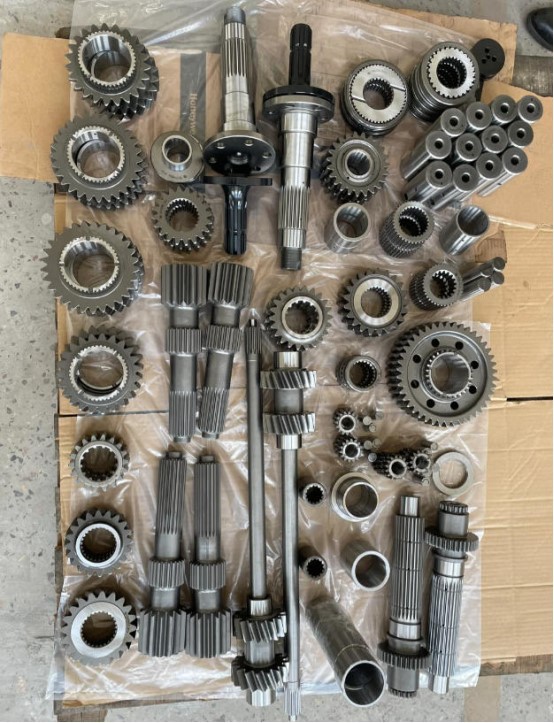
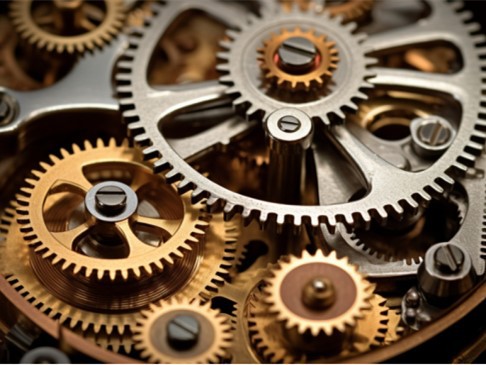
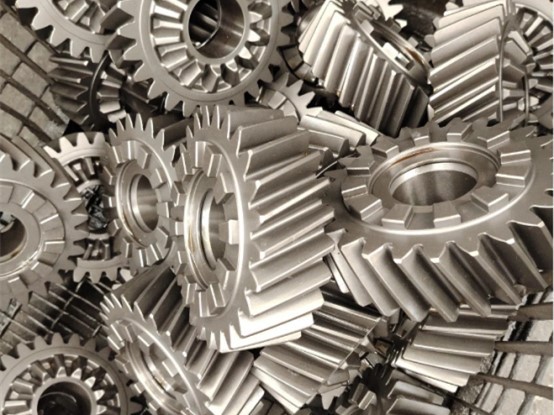
Industrial machinery parts are the core basic parts of all kinds of heavy equipment, production line equipment and power transmission system, such as gears, bearings, shafts, racks, shells and so on. These components often need to work reliably for a long time under high load, high speed, continuous operation and harsh working conditions, and their performance directly determines the power density, efficiency, accuracy and life of the whole machine.
Advantages & Key Features
Excellent load-bearing capacity and toughness balance
The core transmission parts of industrial machinery, such as gears of large reducers and heavy-duty spindles, need to bear huge alternating contact stress and bending stress. High-grade alloy carburized steels (such as 20CrMnTi and 17CrNiMo6) and quenched and tempered steels (such as 42CrMo and 34CrNiMo6) can achieve the performance gradient of "hard surface and strong core" through heat treatment. The extremely high surface hardness (HRC 58-62) ensures wear resistance and pitting resistance, while the tough core provides the reliability of impact resistance and fatigue fracture resistance.
Excellent wear resistance and service life.
In the case of sliding or rolling friction, such as bearing raceway, guide rail and piston rod of hydraulic cylinder, the wear resistance of steel is very important. By selecting high-carbon chromium bearing steel (such as GCr15), nitrided steel (such as 38CrMoAl) or surface hardening treatment (such as induction quenching and laser cladding), a wear-resistant layer with high hardness and low friction coefficient can be formed on the base material, which can prolong the service life of the parts several times and maintain stable running accuracy.
Good heat treatment responsiveness and performance designability.
The mechanical properties of steel can be greatly and finely adjusted by heat treatment processes such as quenching, tempering, carburizing and nitriding. This enables engineers to accurately "customize" the distribution of hardness, strength, toughness and residual stress according to the specific stress state of components (such as impact, wear or high-cycle fatigue), so as to achieve the best match between material properties and design goals, which is an incomparable advantage of many other materials.
Economy and feasibility of large-scale manufacturing
For large structural parts such as machine tool bed, pump valve shell and heavy frame, steel (especially cast iron and welded structural steel) has obvious cost advantage and mature manufacturing technology while providing sufficient stiffness and damping characteristics. The welding structure of large steel castings or thick steel plates can economically realize the complex design of inner cavities and stiffeners, and provide a stable and vibration-reducing supporting foundation for heavy machinery.
Typical Applications

Spindle of wind turbine and planetary gear box
Super-pure and high-toughness special alloy steel (such as 42CrMo4V) is used for large-scale forging and deep carburizing and quenching to bear the huge torsional load and contact stress for 20 years.
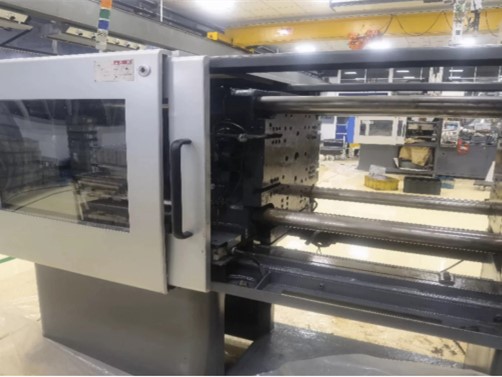
Tailplate and tie rod of injection molding machine
Medium carbon alloy steel (such as SCM440) is used for quenching and tempering to ensure the rigidity and fatigue resistance under high clamping force.
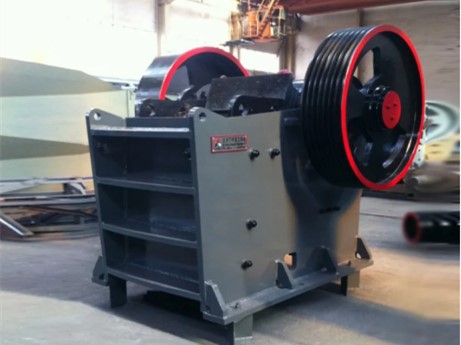
Jaw and hammer of mine crusher
High manganese steel (ZGMn13) or ultra-high chromium cast iron is used, and its surface work hardening characteristics under high impact load are used to obtain extreme wear resistance.
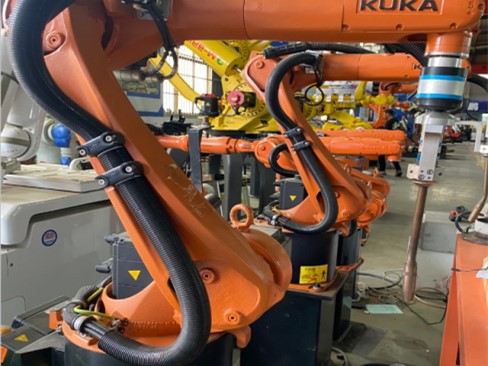
Industrial robot base and boom
Welded structural steel (such as Q345B) or mineral castings are used, but the key transmission parts, such as flexspline of harmonic reducer, are made of special alloy steel, which requires extremely high fatigue strength.
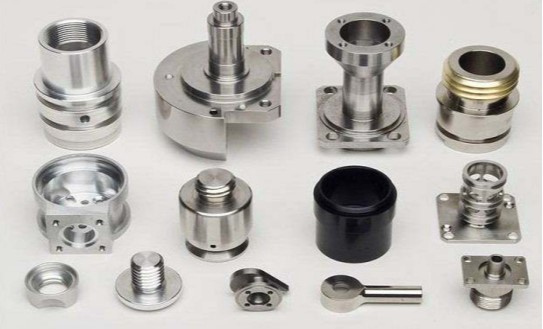
Precision mechanical parts are critical functional components in instruments and meters, optical equipment, precision machine tools, semiconductor manufacturing equipment, and medical devices, such as miniature gears, precision shafts, sensor elastic bodies, tool holders, and fixtures. They have almost stringent requirements for dimensional accuracy (often reaching the micrometer level), shape accuracy, positional accuracy, and long-term stability. Any slight deformation or wear can lead to the failure of the entire machine's function.
Advantages & Key Features
Extremely high dimensional stability and microstructure uniformity
Precision parts are required to keep their dimensions constant during temperature fluctuation, stress or aging. By selecting low deformation alloy tool steel (such as the modified version of Cr12MoV) or precipitation hardening stainless steel (such as 17-4PH), combined with special heat treatment (such as vacuum quenching and cryogenic treatment) and aging process, the structural stress and residual austenite can be minimized, stable and uniform martensite or precipitation strengthening structure can be obtained, and the geometric accuracy of the parts can be ensured to remain unchanged in service.
Excellent surface quality and machinability.
Precision parts often need to reach mirror surface or ultra-smooth surface (Ra < 0.1μm) to reduce friction and wear or meet optical and sealing requirements. High-quality steel (such as SUS440C stainless steel and SKD11 die steel) has uniform and fine carbide distribution. After fine grinding, grinding and polishing, it can obtain extremely high surface smoothness and contour accuracy, which many materials cannot achieve.
Excellent rigidity and micro-deformation ability
For the guide rail of coordinate measuring machine, the supporting structure of mask aligner table, etc., extremely high specific stiffness (the ratio of stiffness to density) is required. Although aluminum alloys and ceramics have applications in this field, high-grade alloy steels (such as invar, whose thermal expansion coefficient is extremely low) and steel subjected to special heat treatment can provide sufficient rigidity and realize nearly zero thermal deformation at the same time, meeting the environmental stability requirements of nanometer positioning accuracy.
Long-term reliability of wear resistance and fatigue resistance
Precision parts often work at high speed, light load but high cycle times (for example, watch gears rotate hundreds of times per minute). High-grade watch steel (such as 20AP high carbon steel) and bearing steel, through extremely pure smelting and fine heat treatment, obtain ultra-fine grain structure, thus having extraordinary wear resistance and ultra-high rotary bending fatigue limit, and ensuring trouble-free operation for decades.
Typical Applications
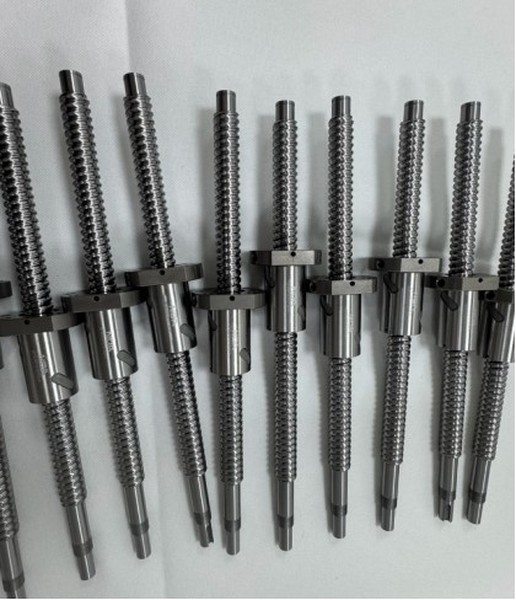
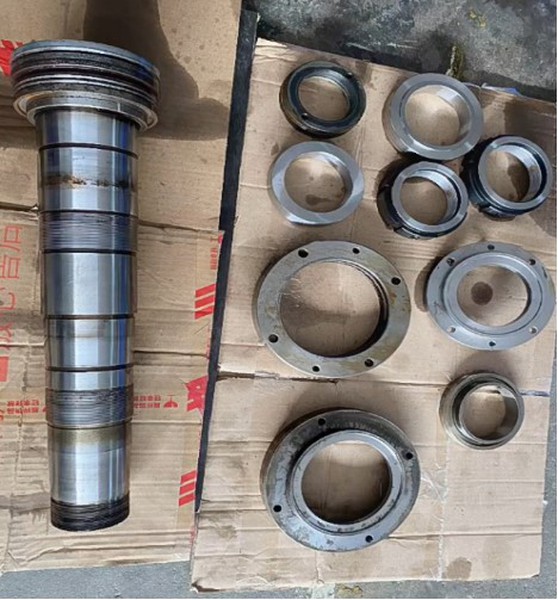
Spindle and ball screw of CNC machine tools: made of nitriding steel (such as 38CrMoAlA), the surface is ion nitrided to form a surface layer with high hardness, high wear resistance and anti-seizure, and the center remains strong, ensuring the life and accuracy at high speed and precision.
 |
 |
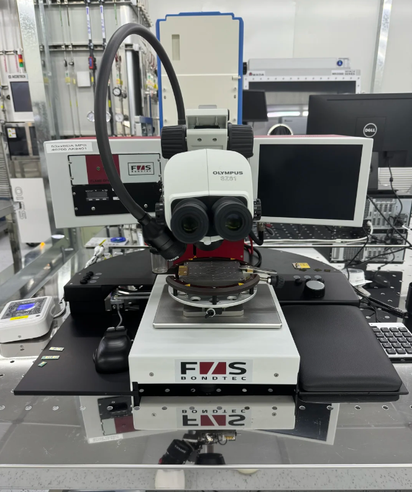
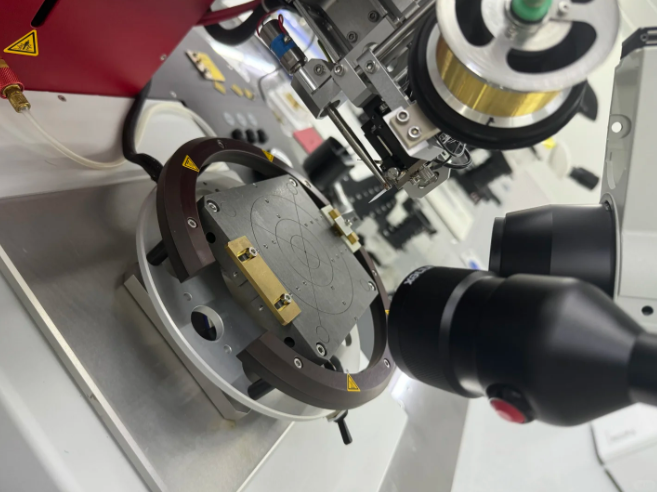
Transducer arbor of semiconductor wire bonder: Special constant elastic alloy (such as 3J53) is used, and its elastic modulus is almost constant in a wide temperature range, ensuring the stability of ultrasonic welding frequency.
 |
 |
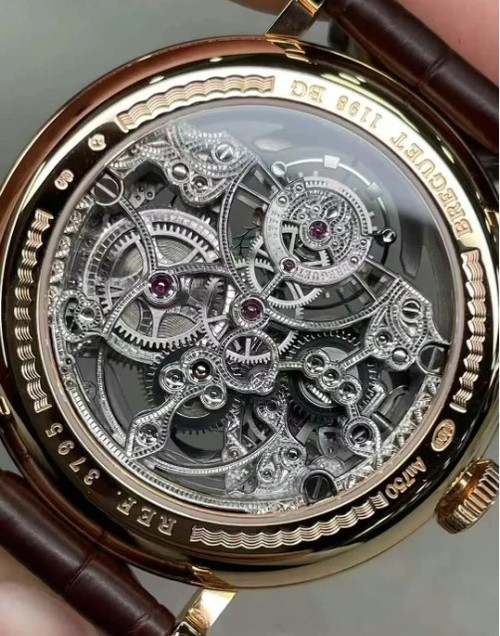
The main splint and gear train of high-end mechanical watches: adopt lead bath quenched iron wire (commonly known as "Swiss steel wire") or high-performance martensitic stainless steel, and after manual chamfering and polishing, it has both beauty, antimagnetic and extraordinary durability.
 |
 |
Fine-tooth adjusting screw in optical adjusting frame: 304 or 416 stainless steel is used, and the thread is precisely rolled to ensure smooth feel, no backlash and corrosion resistance.
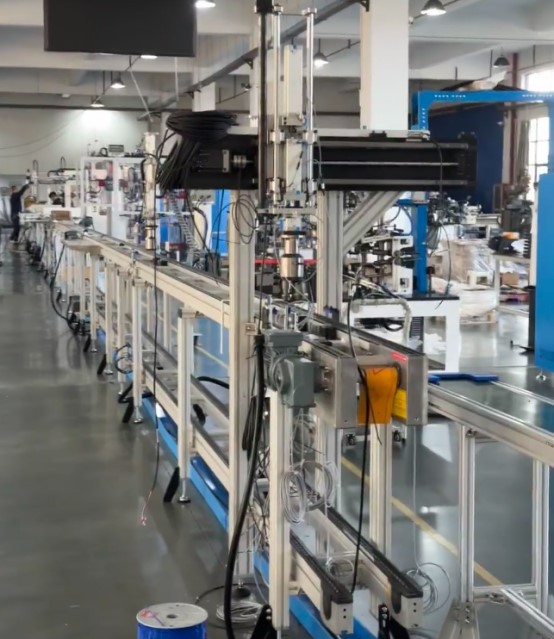
Automation and production equipment is the skeleton of modern manufacturing industry, including industrial robots, automated production lines, assembly planes, conveying systems, testing equipment and so on. This kind of equipment emphasizes high speed, high precision, high repeatability and the reliability of 7x24 continuous operation. Its structural parts and functional parts need to keep extremely low deformation and wear under dynamic load, and at the same time give consideration to lightweight and rapid response.
Advantages & Key Features
High dynamic stiffness and quick response
The arm of industrial robot, the base of linear motor drive module, etc., need to keep accurate position in high-speed start-stop and commutation. By adopting high-rigidity structural steel design and topology optimization with finite element analysis, lightweight can be achieved on the premise of ensuring the stiffness in the key direction. The high elastic modulus of steel (about 3 times that of aluminum alloy) means less deformation under the same load, which is beneficial to improve the natural frequency of the system and reduce vibration, thus achieving higher motion accuracy and shorter setting time.
Excellent fatigue resistance and long-term operation stability
The linear guide rail, ball screw support seat, connecting rod joint and other parts in automation equipment may experience many reciprocating cycles every second. These components made of high-strength alloy steel and subjected to proper heat treatment (such as quenching and tempering, surface hardening) have excellent high-cycle fatigue resistance, can withstand hundreds of millions of stress cycles or even more without failure, and meet the requirements of maintenance-free or low-maintenance operation of equipment for ten years.
Design freedom of complex function integration
Steel can achieve a highly complex functional integrated structure through forging, precision casting and welding. For example, a robot wrist shell can be used as the installation seat of reducer, the support of sensor and the passage of cable at the same time. This design freedom makes the equipment structure more compact and firm, reduces assembly links and improves the rigidity and reliability of the whole machine.
Compatibility with advanced surface technology
In order to reduce friction coefficient, improve wear resistance or prevent creeping, the sliding and rolling parts of automation equipment often need special surface treatment. Steel surface is very suitable for hard chromium plating, electroless nickel-phosphorus plating, PVD (physical vapor deposition) coating (such as TiN, DLC) and other treatments. These thin and hard coatings can significantly improve the performance of steel guide rails, sliders and gears, while the matrix steel provides strong support.
Typical Applications

The key parts such as cycloid wheel and pin gear housing are made of high-strength alloy steel such as high-carbon chromium bearing steel (such as GCr15SiMn), which is carburized, quenched and precision ground to achieve extremely high transmission accuracy and torque stiffness.
Aviation aluminum alloy or carbon fiber composite material is used to pursue lightweight, but its core linear guide rail and ball screw pair are made of advanced alloy steel (such as SUJ2) to ensure micron-level positioning accuracy.
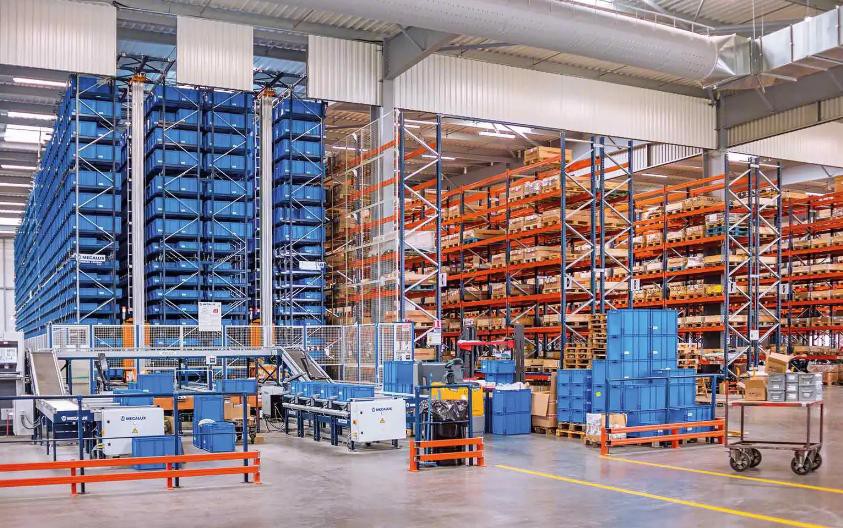
Stacker column and loading platform of automatic three-dimensional warehouse: welded by cold-formed thin-walled steel or rectangular steel pipe, which can reduce the weight as much as possible while ensuring rigidity, so as to improve acceleration and energy efficiency.
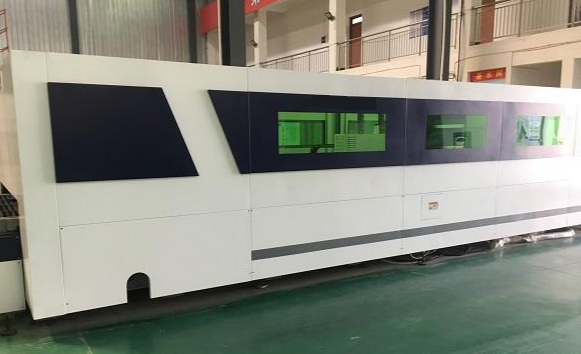
Usually mineral casting or welded steel plate structure is adopted. The welded steel plate structure can obtain excellent static and dynamic stiffness through reasonable rib layout, and the cost is more advantageous.
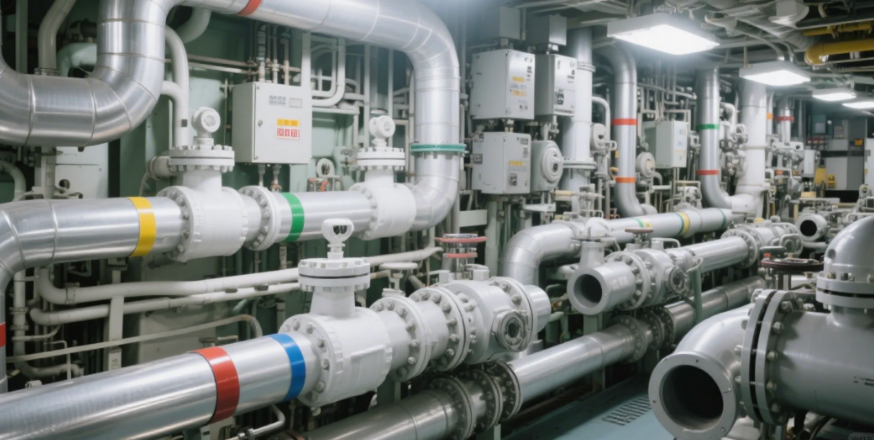
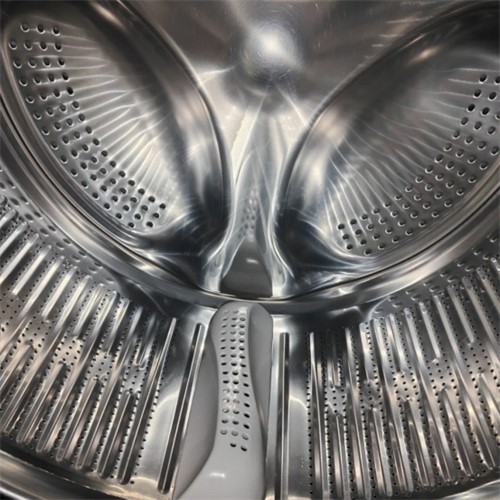
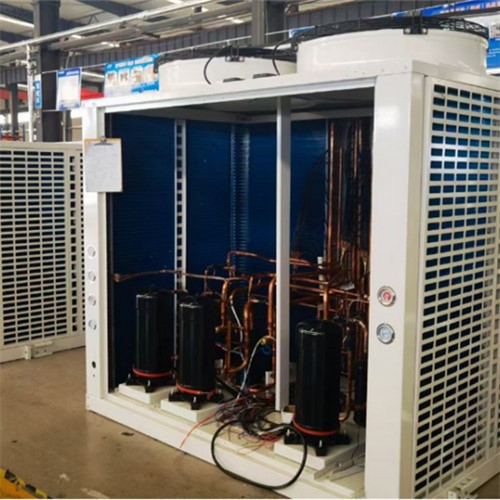
Household appliances and light equipment include refrigerators, washing machines, air conditioners, microwave ovens, power tools, small kitchen appliances and other daily necessities. The material requirements of this kind of products are functional, safe, beautiful, cost sensitive and feasible for mass production. Steel plays multiple roles from internal skeleton to external decoration.
Advantages & Key Features
Excellent formability and beautiful surface treatment
Galvanized steel plates (SECC, SGCC) or pre-coated steel plates (PCM) are widely used in the housing of household appliances, such as the front panel of washing machine and the door of refrigerator. Through the mature stamping process, these steel plates can efficiently and cheaply manufacture appearance parts with complex shapes and distinct edges. Its surface can be treated richly: PCM plate is directly coated with various colors and textures; Galvanized sheet can be phosphatized and sprayed to obtain a smooth and beautiful surface, which can meet the diversified aesthetic needs of home.
Good structural strength and safety
The supporting frame, motor mounting plate, outer drum (also known as "water container") and other structural parts inside household appliances need sufficient strength and rigidity to bear dynamic loads (such as eccentric load of high-speed dehydration). Cold-rolled steel plate (SPCC) or hot-rolled pickling plate (SAPH series) can provide reliable support with light weight through reasonable structural design, and ensure that it will not break under abnormal conditions (such as "bucket collision" of washing machine) to ensure the safety of users.
Excellent thermal conductivity and electromagnetic performance
For parts that need heat dissipation or electromagnetic induction, steel is an ideal choice:
Heat conduction
The magnetic stripe under the glass-ceramic panel of the induction cooker and the inner pot of the rice cooker (mostly aluminum in the early days, but now many high-end products use steel-aluminum composite or thick film technology stainless steel), and the steel can effectively conduct magnetic and heat.
Electromagnetic shielding and permeability
The cavity of microwave oven and the iron core of transformer are made of electrical steel sheet (silicon steel sheet), and its high permeability and low iron loss are the key to realize efficient electric energy conversion and shielding microwave radiation.
Excellent hygiene and durability
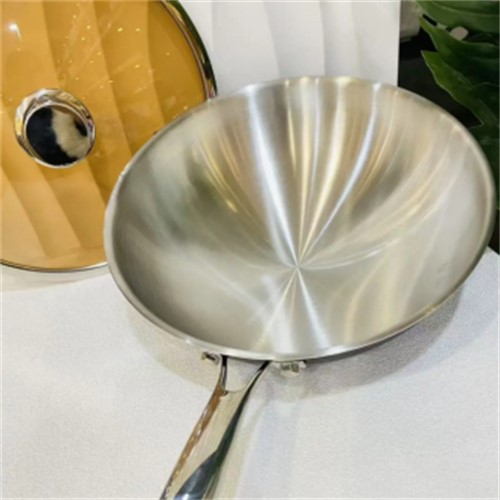
In kitchen and wading environment, stainless steel (especially 304 food grade stainless steel) is the first choice because of its excellent corrosion resistance, easy cleaning and non-toxicity. Stainless steel provides a beautiful, hygienic, durable and long-life solution, which greatly improves the product quality and user experience.
Typical Applications